If you ask any tradie working in Sydney about what matters most for daily gear, clothing that keeps pace with the job comes up almost immediately. This is the actual reason behind why so many people type in FXD workwear Sydney when searching online these days. Building sites, warehouses, and outdoor jobs, these don’t pause for weather changes, so the clothing worn on them cannot pause either. On one day, the sun blazes with full heat, and on another day, dampness and coastal wind take over, meaning the gear must handle both situations without tearing apart or causing misery halfway into a shift. Also, good workwear goes beyond simply looking professional for the job. Safety, comfort, and completing a full day’s work without clothing becoming an obstacle, these things matter more. This explains, essentially, why this particular category of clothing has gained so much popularity among tradespeople across the city.
Why Sydney’s Climate Shapes Workwear Choices
Weather in Sydney rarely stays consistent, and this creates a big part of the challenge here. During summer, long hours pass under direct sunlight, often with tools or materials being carried from place to place, and sweat becomes a constant companion. Under such heat conditions, fabrics that breathe well and wick moisture away stop being optional luxuries, instead becoming the actual difference between finishing the day in comfort or suffering through chafing, overheating, and exhaustion by midday. When winter arrives, though, different priorities take over. Layers resistant to water and denim with more thickness start making better sense, since remaining dry becomes just as important as remaining mobile. Many workers, as seasons change, end up switching between heavier and lighter gear, choosing based on what the job actually demands that particular week rather than committing to a single outfit for the entire year.
Durability Standards for Physically Demanding Jobs
Clothing gets worn down fast by trade work. Kneeling on concrete surfaces, climbing up scaffolding structures, dragging heavy materials from one location to another, all of this accumulates over time. For this exact reason, features like reinforced knees, seams stitched twice over, and fabric with heavier weight appear so frequently in workwear built to last. Among fabrics, ripstop has turned into something of a favourite choice, mainly because when it catches on a sharp object, it resists tearing straight through rather than giving way easily. For those working daily around timber, metal, or rough concrete surfaces, this kind of resistance makes a genuine difference in how long the garment survives. And when you think about it practically, replacing gear less frequently also means saving money, whether you work solo as a tradie or manage an entire crew requiring uniforms.
The Role of Fit and Mobility in Preventing Injury
There’s something many people overlook, and it’s this, clothing with a poor fit can actually lead to injury. When pants hang too loosely, machinery can catch onto them. When shirts pull too tightly across the shoulder area, reaching overhead safely becomes difficult exactly when it matters most. So fit isn’t only about appearing neat and tidy, it connects directly to workplace safety. This explains why features such as knees with articulation, crotches with gussets, and panels offering stretch have become so widespread, because they allow proper movement without fabric creating resistance against the body. Generally speaking, less restriction in movement also means less fatigue building up, and it’s often in tired, stiffened movements where strain injuries begin to develop during long shifts.
Storage and Functionality Built Into Everyday Garments
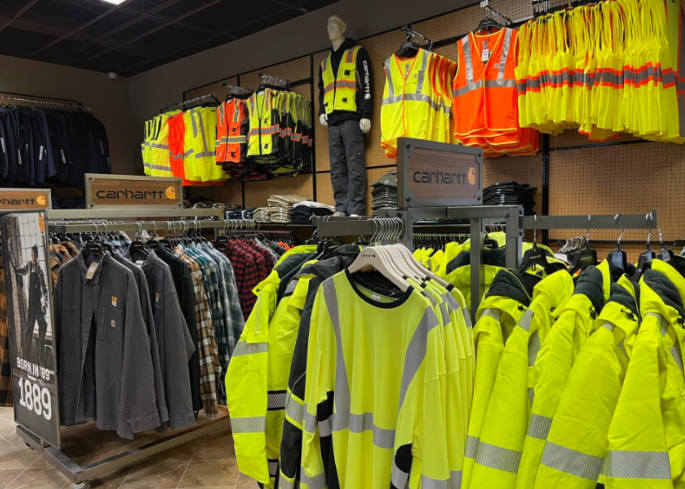
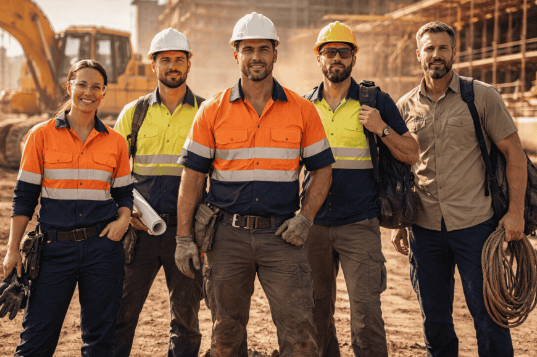
Workwear has travelled a long distance from being merely tough fabric sewn together. These days, pockets designed specifically for phones, pencils, and tools can be found, positioned in ways that stop workers from constantly digging through a bag every few minutes. On a site where things move quickly, this small convenience actually holds real value, since time spent hunting for a tool becomes time wasted overall. Strips that reflect light have also turned into a fairly standard feature, making a genuine difference for anyone working close to traffic or beginning shifts before the sun rises, something that plenty of workers across Sydney’s industrial zones deal with on a regular basis.
Meeting Industry Compliance and Safety Requirements
In many Sydney workplaces, clothing choice isn’t left entirely to personal preference, since rules exist that must be followed. Depending on which industry is involved, particularly construction and electrical work, colours that are highly visible, materials resistant to flame, and compliance with Australian safety standards often become mandatory requirements. This exists beyond mere red tape too, since the risks involved are genuinely real. Getting this aspect wrong can place workers into real danger while also landing employers into serious trouble with regulators overseeing safety. This becomes yet another reason why selecting the right FXD workwear Sydney options deserves a bit of careful thought rather than a rushed decision.
When everything gets considered together, workwear built for Sydney’s trade industry ultimately comes down to several elements working in combination, toughness, comfort, safety, and enough practicality to survive whatever challenges the job presents. Once that balance gets achieved properly, the clothing stops being something requiring constant thought and simply becomes part of getting work completed.