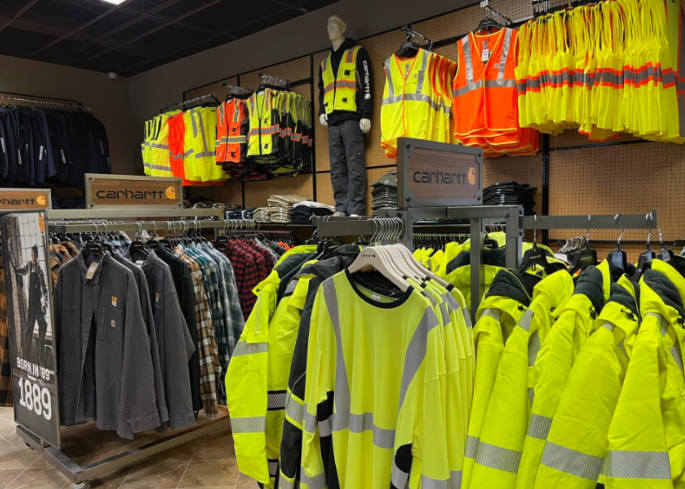
There is a particular frustration that tradespeople know well. You order workwear online, wait for delivery, and discover the sizing runs small, the fabric is thinner than the product photo suggested, or the boot construction is completely wrong for your site conditions. By that point, time has been lost, and the returns process begins. A workwear store in Sydneythat actually specialises in trade and industrial clothing solves this — not by being more convenient, but by being genuinely more informed than any product listing can ever be.
The Compliance Minefield
High-visibility garments sold in Australia must meet specific safety standards, but those standards have multiple classes. Which class is required depends entirely on the work environment. Day-only rated garments are not appropriate for low-light or night conditions. Some principal contractors specify particular tape widths and background fabric colours beyond what the minimum standard requires. Workers who buy the wrong classification find out at a site induction, not at the point of purchase. That is the wrong moment to discover the problem.
Boot Construction Nobody Explains
Safety footwear conversations tend to stop at steel-cap versus composite-toe. That distinction matters, but it is nowhere near the whole picture. Electrical hazard-rated boots have a specific sole construction that resists electrical current and must remain unmodified to retain that rating. Metatarsal guard boots protect the top of the foot from crush injuries and are mandatory on certain civil and heavy construction sites. Slip-resistance ratings vary between smooth concrete, wet steel, and oily surfaces. A boot rated for one surface performs very differently on another. A workwear store in Sydney with a proper trade focus stocks across these categories. Staff ask the right questions before recommending a boot rather than pointing to whatever happens to be on promotion that week.
Why Fabric Weight Matters
Workwear fabric weight determines how a garment performs across conditions that shift considerably across a Sydney working year. Lightweight ripstop fabrics breathe well in summer outdoor conditions but offer little protection against abrasion and wind on exposed sites in winter. Heavier drill fabrics last longer under hard physical use but trap heat in ways that create real fatigue over a long shift. The decision between them is not personal preference. It depends on the specific trade, the site conditions, and how long the garment realistically needs to last. Workwear stores in Sydney with genuine trade experience carry this contextual knowledge. Online size guides do not go anywhere near it.
Industrial Washing Destroys Cheap Garments
Workwear does not go through a domestic washing cycle. It goes through commercial or industrial laundering – higher temperatures, stronger detergents, faster drum speeds – repeatedly across a working life. Reflective tape that meets standards when new can fall below the required visibility rating after repeated industrial wash cycles. Cheaper tape degrades faster. Stitching on budget garments separates at seams that take regular stress — knees, crotch, underarms – within a season rather than lasting through one. Workers and businesses that buy on apparent value and replace garments every few months are not saving money across a full year. Retailers who stock garments built for industrial laundering know which brands hold up and which do not. Their customers tell them, repeatedly, over the years of transactions.
Team Outfitting Is a Different Problem
Businesses outfitting a crew face a specific logistical reality that individual purchasing does not. Sizing needs to cover a genuine range across different body types and roles. Embroidery or heat-press logo application needs to survive the same industrial laundering that the garments go through. Reorders need to match existing stock so that the team looks consistent rather than patched together across different seasons of product. These requirements demand a supplier relationship, not a one-time transaction. Sydney’s specialist trade workwear retailers handle this regularly. They maintain reorder records, carry consistent stock depth, and understand turnaround expectations that are calibrated to how construction and industrial businesses actually operate day to day.
Conclusion
A proper workwear store in Sydney does something that online retail structurally cannot. It applies trade-specific knowledge to a purchasing decision that carries real consequences when it goes wrong. Compliance failures, premature garment deterioration, and boots that are inappropriate for specific hazard environments are not abstract risks. They are routine outcomes for workers who treat workwear as a commodity purchase. The retailers worth returning to are the ones who treat it as a technical one.