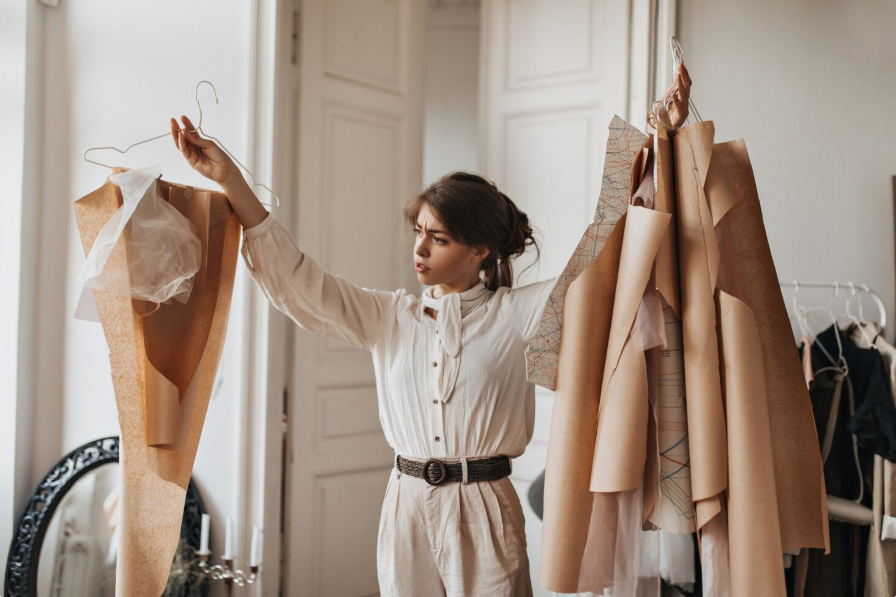
Fashion is much more than clothing—it is a form of self-expression, cultural identity, and social communication. From what we wear to how we accessorize, fashion reflects our personality, lifestyle, and the society we live in. It is a dynamic concept, constantly evolving to reflect creativity, trends, and global influences.
What is Fashion?
Fashion refers to the prevailing styles of clothing, accessories, footwear, and even behavior at a particular time and place. It combines art, function, and personal expression, allowing individuals to communicate who they are without words. Fashion can be casual, formal, avant-garde, or traditional, depending on context and personal taste.
The History of Fashion
Fashion has evolved over centuries, influenced by culture, technology, and social changes. From the elaborate garments of royalty in the Middle Ages to the rise of haute couture in 19th-century Paris, fashion has always mirrored society. The 20th century introduced ready-to-wear clothing and mass production, making style more accessible while fueling global trends.
Fashion and Self-Expression
One of the most powerful aspects of fashion is its role in self-expression. Clothing choices convey personality, moods, and even beliefs. Bright colors might reflect confidence, while minimalist styles can signal elegance or simplicity. Fashion allows people to tell a story about themselves without speaking a word.
The Role of Trends in Fashion
Trends shape what is popular at a given time, driven by designers, media, celebrities, and influencers. While trends change quickly, they provide inspiration and ideas for individual style. Fashion enthusiasts often combine current trends with their personal style, creating a unique and authentic look.
Fashion in Different Cultures
Fashion varies widely across cultures, reflecting traditions, values, and climate. Traditional attire often carries symbolic meaning, such as kimono in Japan or sari in India. Modern fashion blends cultural influences, creating a rich global tapestry of styles while celebrating heritage and identity.
Fashion and Social Status
Clothing has long been associated with social status. Luxury brands, designer wear, and high-end materials signal wealth, sophistication, and exclusivity. Fashion can influence perception, affecting how people view our professionalism, confidence, and social standing.
The Influence of Media and Celebrities
Media and celebrities play a major role in shaping fashion. Social media platforms, magazines, and movies showcase trends, making certain styles highly desirable. Influencers often bridge the gap between designers and everyday consumers, popularizing specific looks and making fashion more accessible worldwide.
Sustainability in Fashion
As the fashion industry grows, sustainability has become a major concern. Consumers and brands are increasingly focused on eco-friendly fabrics, ethical production, and reducing waste. Sustainable fashion encourages mindful buying, long-lasting clothing, and responsible consumption while protecting the environment.
Fashion as an Industry
Fashion is not only about style—it is also a global multibillion-dollar industry. It includes design, manufacturing, marketing, retail, and technology. From luxury fashion houses to fast fashion brands, the industry drives innovation, employment, and cultural trends worldwide.
The Future of Fashion
The future of fashion blends technology, creativity, and sustainability. Innovations such as 3D printing, virtual fashion, and AI-assisted design are transforming how clothing is created and consumed. Despite rapid changes, the core of fashion remains the same: self-expression, creativity, and connection.